

Inhaltsverzeichnis
- 1 Traditionshaus mit drei Spielbereichen
- 2 Casino Vienna Öffnungszeiten und Details
- 3 Spannung im Spiel – Genuss im Cuisino
- 4 Zahlreiche Veranstaltungen im Casino Wien
- 5 Andromeda – Infos zu klassischen Konzerten im Casino Wien
- 6 Attraktive Spielauswahl
- 7 Die Vienna Business Week – perfekt für einen Abstecher ins Casino Wien
- 8 Das Casino Wien Willkommensangebot
- 9 Die Casino Wien Kleiderordnung in Kurzform
- 10 Unsere Einschätzung zum Casino Vienna
- 11 Lageplan und Anfahrt zum Casino Wien
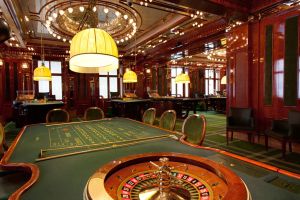 Die Spielbank Wien ist ein wahrer Publikumsmagnet und gilt bis heute als eines der erfolgreichsten Häuser der Casinos Austria. Wann immer Sie in Wien sind, sollten Sie die Gelegenheit nutzen und dem stilvollen Casino einen Besuch abstatten.
Die Spielbank Vienna bietet Ihnen deutlich mehr als die meisten ihrer Pendants. Sie haben hier die freie Wahl zwischen gleich drei Spielebenen, wo Sie neben traditioneller Unterhaltung auch moderne Spielautomaten erwarten. Insgesamt stehen Ihnen über 240 Slots zur Auswahl, die alle ihren ganz eigenen Charakter haben. Mit dabei sind selbstverständlich diverse Jackpot Spiele. Der Hausjackpot ist an alle 12 Spielbanken der Casinos Austria gekoppelt und steigt deshalb besonders rasant an. Aber nicht nur wegen der Spiele lohnt es sich, das Casino Wien zu besuchen. Auch der Standort ist in seiner Form einmalig. Welche Highlights Sie im Palais Esterházy sonst noch erwarten, das wollen wir Ihnen natürlich auf keinen Fall vorenthalten.
Traditionshaus mit drei Spielbereichen
 Bereits die Außenansicht ist überragend: Mit seinem stilvollen Design passt sich das Casino Wien perfekt dem traditionellen Stadtbild an. Die Betreiber setzen alles daran, Ihnen möglichst viel Abwechslung zu bieten – sobald Sie aus dem Staunen rausgekommen sind, in das Sie der Innenbereich der Spielbank mit seinen drei Ebenen sofort versetzen wird. Im Stil eines British Clubs kommt die erste der drei Ebenen daher.
Hier geht es vor allem um klassische Unterhaltung. Tische aller Art werden Ihnen geboten. Die Bar lädt indes zum Verweilen in stilvollem Ambiente ein. Salon-Atmosphäre kommt in der zweiten Etage des Casino Vienna auf. Hier gibt es zudem das Casino Restaurant mit feinsten Kostbarkeiten aus aller Welt – die ideale Möglichkeit, als Gourmet eine Pause zu machen und es sich so richtig gut gehen zu lassen. Ein weiterer Bereich bietet Ihnen die versprochenen 240 Automaten, zwischen denen Sie nach Belieben wählen können. Hier geht es ein wenig legerer zu, wobei das Casino Wien selbstverständlich großen Wert auf angemessene Etikette legt – auch und gerade in puncto Kleiderordnung.
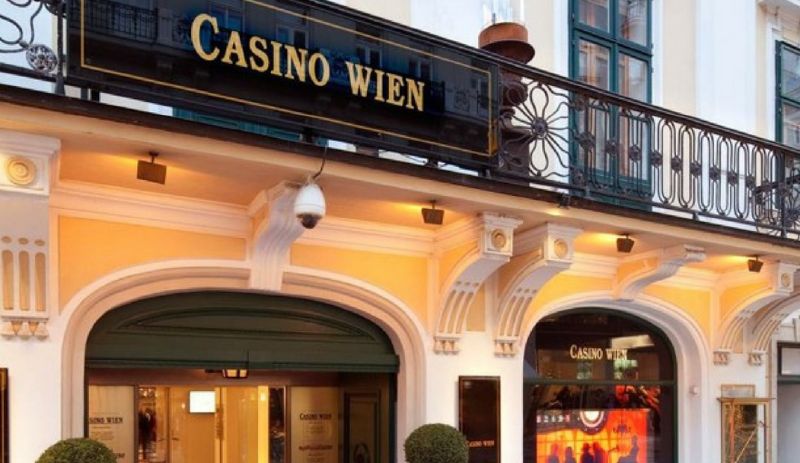
Das Casino Wien ©fermedemerlinge.ch/
Zu beachten gilt: Die Spielbank Vienna befindet sich inmitten einer Fußgängerzone. Parken können Sie sowohl an der Wiener Staatsoper als auch am Palais Corso. Direkt am Casino gibt es dagegen kaum Parkmöglichkeiten. Am besten reisen Sie mit öffentlichen Verkehrsmitteln an.
Casino Vienna Öffnungszeiten und Details
| Spielbank Casino | Mo – So von 09:00 bis 4:00 Uhr |
| Jackpot Café | Mo – So von 09:00 bis 4:00 Uhr |
| Geschlossen | 24.12. (Heiligabend) |
| Anschrift | Kärntner Straße 41 1010 Wien |
| Mindestalter | 18 Jahre |
| Dresscode | Semi Formal |
| Telefon | +43 1 512 483 6 |
| [email protected] | |
| Webseite | http://www.casinos.at/de/wien |
Spannung im Spiel – Genuss im Cuisino
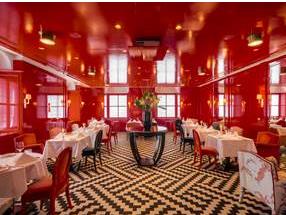
Casino Wien Restaurant Cuisino @ casinos.at
Wer nicht spielen möchte, der kann in der Spielbank Wien auch gut essen – und zwar im hauseigenen „Cuisino“. Allein optisch macht das Restaurant einen sehr guten Eindruck. Noch besser ist die Speiseauswahl, denn hier wird für nahezu jeden Geschmack das Passende geboten.
In den letzten Jahren hat das Casino Vienna die Räumlichkeiten modernisiert. Heute wird das Restaurant sogar noch reizvoller als die Spielbereiche, zumal die Betreiber hier auf mehr Modernität setzen. Das Motto hier lautet „Design trifft Kulinarik“. Man ist sehr stolz auf diesen Bereich der Spielbank, der Jahr für Jahr abertausende Menschen zum Verweilen einlädt. Das Restaurant ist sogar prämiert worden. Das allein spricht dafür, dass man es sich hier gut gehen lassen kann.
Zahlreiche Veranstaltungen im Casino Wien
Wie alle Standorte der Casinos Austria setzt auch die Spielbank Wien auf ein buntes und einmaliges Rahmenprogramm. Spezielle Events sollen für Unterhaltung sorgen. Damit lohnt sich der Besuch nicht nur für Spieler, sondern auch für solche Gäste, die sich lieber kulinarisch verwöhnen lassen oder an den Veranstaltungen teilnehmen möchten. Gerade zum Jahresende wird es im Casino Vienna spannend.
Ob Weihnachtsfeier, Silvesterparty oder andere Events: Langeweile hat hier definitiv keine Chance! Es ist zudem möglich, Räumlichkeiten zu buchen. Wer beispielsweise seinen Mitarbeitern einen unvergleichlichen Abend bieten will, der ist in der Spielbank Wien an der richtigen Adresse. Somit verwundert es kaum, dass neben einheimischen Bewohnern auch viele Touristen vom Angebot des Casinos angezogen werden. Im Zuge spezieller Veranstaltungen sollten Sie unbedingt schnell sein und rechtzeitig Plätze reservieren. Gerade Silvesterpartys und ähnliche Events sind hier nämlich heißbegehrt und entsprechend schnell werden die Tickets knapp. Diese können Sie über die Webseite der Casinos Austria buchen.
Weitere Vorteile des Casino Wien:
-
- Attraktive Umgebung für Jung und Alt
- Angenehme Öffnungszeiten
- Drei Ebenen für bestmögliche Abwechslung
- Regelmäßige Veranstaltungen und Aktionen
- Traumhafte Architektur
Andromeda – Infos zu klassischen Konzerten im Casino Wien
Im Casino Wien sind gerade die klassischen Konzerte schnell ausgebucht. Das Traditionshaus hat sich geradezu auf Events spezialisiert, bei denen klassische Musik im Vordergrund steht. Stars wie Davon Oristrakh und viele weitere waren inzwischen zu Gast. Besonders reizvoll: Klassische Konzerte mit Violine. Sie spielt hier neben zahlreichen weiteren Instrumenten eine große Rolle.
Andromeda hat sich zur Aufgabe gemacht, Leser über klassische Konzerte – darunter natürlich auch in der Spielbank Wien, zu informieren. Leider müssen Freunde klassischer Musik inzwischen ohne die Informationsseite auskommen. Wer jedoch mehr über bevorstehende Klassik-Events im Casino Wien erfahren möchte, der hat die Gelegenheit, sich die gewünschten Infos auf der Seite der Casinos Austria einzuholen. Dort steht Besuchern ein ausführlicher Eventkalender zur Verfügung. Zudem können dort direkt Tickets erworben werden. Gerade bei großen Events und bekannten Stars sind die nämlich sehr schnell ausverkauft. Reinschauen lohnt sich also!
Attraktive Spielauswahl
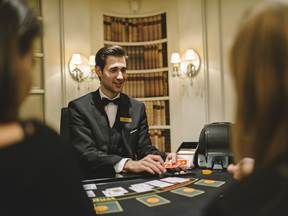
Poker im Casino Wien ©casinos.at
Auch und gerade wenn es ums Thema Spiele geht, hebt sich die Spielbank Wien von den übrigen Standorten der Casinos Austria ab. Neben Easy Hold`em Poker gibt es hier diverse weitere außergewöhnliche Spielvarianten zu entdecken, die es in der Form kein zweites Mal gibt – zumindest nicht in österreichischen Casinos.
Bei der exklusiven Pokerversion kämpfen Sie gegen das Haus und müssen sich somit nicht gleichzeitig den übrigen Spielern stellen. Easy Hold’em ist natürlich nur einer von diversen Spieltischen, die auf großen Anklang stoßen. Wer es traditioneller mag, der wird hier ebenfalls schnell fündig. Ein Highlight sind beispielsweise die Jackpots. Mega Millions macht seinem Namen alle Ehre, und vielleicht sind Sie sogar der nächste Teilnehmer, bei dem das Glück zuschlägt!
Die Vienna Business Week – perfekt für einen Abstecher ins Casino Wien
Wer ohnehin schon einmal in Wien unterwegs ist, der sollte die Spielbank unbedingt mit der Business Week verbinden. Auf der Webseite der Vienna Business Week unter www.viennabusinesweek.at erfahren Sie mehr über das Programm, die Idee und die bisherigen Erfolge der besonderen Woche, die erstmals 2015 in Wien stattfand. Bereits in den ersten Tagen gab es unglaubliche Schlagzeilen zur Woche, die sich rund ums Thema Business dreht. Die Vienna Business Week verzeichnete mehr als 6.000 Besucher bei 120 Events! Dabei soll es natürlich nicht bleiben, denn das Programm scheint sich seither zu etablieren.
Jedes Jahr werden weitere Gäste – darunter vor allem Geschäftsleute – magisch von der Wiener Woche angezogen, auf es jede Menge News, ein buntes Programm und weitere Highlights zu entdecken gibt. Natürlich sind auch Nicht-Geschäftsleute willkommen. Besonderer Höhepunkt unter dem Motto „The Launch of Cafe Immico“ ist vielen Besuchern bis heute in guter Erinnerung geblieben. Möchten Sie mehr über die Vienna Business Week erfahren, können Sie einfach auf viennabusinessweek.at nachlesen.
Das Casino Wien Willkommensangebot
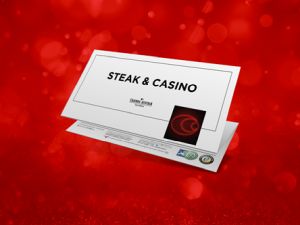
Casino Wien Angebote © casinos.at
Wenn Sie mögen, können Sie sich Ihren Platz im Casino Vienna frühzeitig sichern – egal, ob Sie an Events teilnehmen oder die Spielbank zwischendurch besuchen möchten. Die Betreiber setzen hier genauso wie in den übrigen Casinos Austria auf besonders reizvolle Bonusangebote, die in Form von Paketen über die Webseite des Unternehmens erhältlich sind.
Nehmen wir als Beispiel das „Standard“ Paket. Sie zahlen 27 Euro und erhalten dafür Begrüßungsjetons im Wert von 30 Euro. In weiteren Paketen sind zudem Begrüßungsdrinks sowie andere Überraschungen enthalten. Am besten ist, Sie nehmen sich ein wenig Zeit und besuchen den Casino Wien Online Shop, um mehr Informationen zu den Willkommensangeboten zu erhalten. Besonders lohnen sich natürlich die besagten Veranstaltungen, an denen Sie jederzeit mit Voranmeldung teilnehmen dürfen.
Im Shop sind übrigens auch Gutscheine erhältlich. Möchten Sie Ihren Liebsten einen unvergesslichen Abend im Casino Wien bescheren, dann schauen Sie rein und wählen Sie einfach aus verschiedenen Angeboten. Besonders beliebt ist das Dinner & Casino Angebot. Auch hier erhalten Sie Begrüßungsjetons. Alternativen sind Tanz-Events und andere Veranstaltungen, über die Sie auf der Webseite rechtzeitig informiert werden.
Wenn Sie schon einmal dort sind, denken Sie unbedingt an die Vienna Business Week, die jährlich stattfindet. So verbinden Sie gleich zwei Highlights der Stadt und können sogar noch etwas über die Geschäftswelt in Österreich lernen.
Die Casino Wien Kleiderordnung in Kurzform
Ein gewisses Maß an Ordnung muss in einer derart eleganten Spielbank einfach herrschen. Aus diesem Grund ist es wichtig, sich genau mit der Kleiderordnung im Casino Wien zu beschäftigen. Die strenge Etikette der ersten Jahre wurde inzwischen zwar deutlich gelockert, dennoch gibt es nach wie vor eine Sakko Pflicht – das zumindest im großen Glücksspiel. Wer lediglich das Automatencasino besuchen möchte, der setzt am besten auf gepflegte Freizeitkleidung. Ein Poloshirt ist in Ordnung, Turnschuhe werden hier allerdings nicht gerne gesehen. Letztlich macht es sogar Spaß, sich den eleganten Gepflogenheiten anzupassen und sich besonders nobel zu fühlen. Damen empfehlen wir, einen Hosenanzug oder ein Kleid zu tragen.
Entscheiden Sie sich für einen spontanen Besuch, haben Sie im Casino Wien die Möglichkeit, sich ein Sakko gegen Gebühr auszuleihen. Die Damen unter uns sollten vorab die Kleiderordnung kennen und sich entsprechend anziehen. Semi-formale Kleidung ist hier absolut in Ordnung, ein gewisses Maß an Stil wird von den Betreibern vorausgesetzt.
Unsere Einschätzung zum Casino Vienna
Die Spielbank Wien ist und bleibt eines der reizvollsten Casinos in ganz Österreich. Wer volljährig ist, der sollte sich diesen Standort auf keinen Fall entgehen lassen. Nicht nur die drei Spielebenen sind ein Highlight.
Auch erwarten Sie hier hochkarätige Aktionen und Events, die Ihnen noch lange in guter Erinnerung bleiben werden. Durch das bunte Rahmenprogramm wird auch denjenigen unter uns einiges geboten, die sich nicht sonderlich für Glücksspiele interessieren. Wer einmal Silvester im Casino Wien erlebt und die sehr reizvolle Architektur des Standorts erlebt hat, der wird nie wieder etwas anderes wollen. Planen Sie beim nächsten Wienbesuch also unbedingt den Besuch der Spielbank ein.
Lageplan und Anfahrt zum Casino Wien